

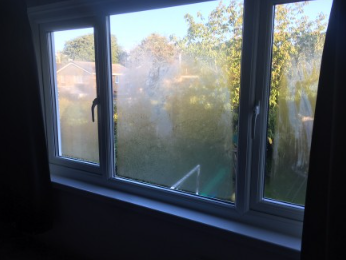
Double glazing is widely used in modern homes for its insulation benefits, helping to keep interiors warmer in winter and cooler in summer. It also helps reduce energy bills and external noise. However, one common issue homeowners face is mist or condensation appearing inside the double-glazed units. This foggy appearance between the glass panes is more than just a cosmetic problem—it often indicates a deeper issue with the unit’s integrity.
In this article, we explore why mist builds up inside double glazing, what it means, and how it can be prevented or fixed.
Understanding Double Glazing
Double glazing consists of two panes of glass separated by a sealed gap, usually filled with air or a gas like argon. This sealed unit acts as an insulating barrier between the indoor and outdoor environment. The key to its performance lies in the air-tight seal that keeps moisture out and traps the insulating gas inside.
UPVC Windows World says that when everything is functioning correctly, the gap between the glass remains clear. But when the seal fails, problems like mist or condensation can arise.
What Causes Mist Inside Double Glazing?
The mist that appears inside a double-glazed unit (not on the outside surfaces) is usually caused by seal failure. Here’s how it happens:
1. Broken or Failed Seals
Over time, the seals around double-glazed windows can deteriorate due to:
- Age and wear
- Thermal stress from expansion and contraction
- Poor installation
- Manufacturing defects
When the seal fails, moisture from the outside air can seep into the gap between the panes. Since the gap is not ventilated, any moisture that enters becomes trapped, eventually condensing on the inner surfaces of the glass.
2. Temperature Changes
Daily temperature fluctuations can cause the air inside the sealed unit to expand and contract. If the seals are weak, this movement can create gaps that allow moisture to enter. Over months or years, this gradual process leads to condensation.
3. Poor Drainage or Ventilation Around Windows
Sometimes, moisture around the window frame can affect the unit. Blocked drainage channels or inadequate ventilation may cause water buildup, which can find its way into the sealed unit if the seal is already compromised.
Why Is It a Problem?
Misting between the panes isn’t just an eyesore—it signals that the insulating layer is no longer effective. This can lead to:
- Reduced thermal efficiency
- Higher energy bills
- Increased risk of mold or damp around the windows
- A decrease in property value or appeal
Can It Be Fixed?
Once mist builds up inside a double-glazed unit, it usually means the seal is compromised. Here are your options:
-
Window Replacement
This is the most reliable solution. You can often replace just the sealed glass unit rather than the entire window frame. This restores both clarity and insulation.
-
Defogging Services
Some companies offer defogging or “repair” services that involve drilling a small hole to remove the condensation and insert drying agents. However, this is often a temporary fix and doesn’t restore the original thermal performance.
How to Prevent Mist in Double Glazing
- Choose quality windows from trusted manufacturers with a good warranty.
- Ensure professional installation to avoid early seal failures.
- Maintain your windows by cleaning drains and vents to prevent water buildup.
- Monitor window edges for early signs of damage, such as cloudiness or dampness.
Conclusion
Mist inside double glazing is a sign that your window’s sealed unit has failed. While the glass can look foggy or stained, the real issue is the loss of insulation and energy efficiency. Understanding the causes—like failed seals, temperature stress, or poor maintenance—can help you act early and prevent costly damage. Replacing the affected units and investing in high-quality windows can save you money and keep your home comfortable for years to come.
